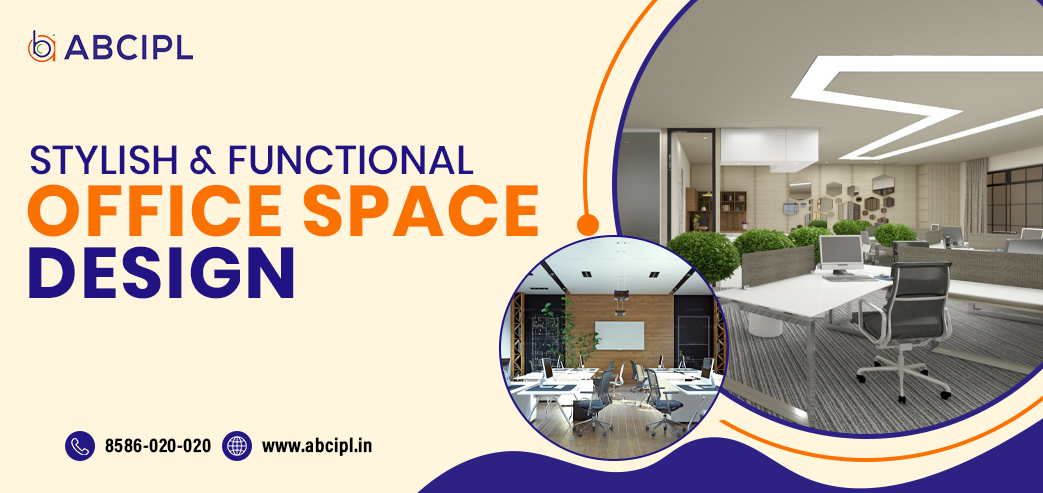
Stylish & Functional Office Space Design
Stylish & Functional Office Space Design: The Ultimate Guide to Workspaces That Impress and Perform : In today’s competitive business world, your office design is far more than just aesthetics. It’s a strategic tool that shapes productivity, reflects your brand identity, and enhances employee well-being. A thoughtfully designed workspace can inspire creativity, boost efficiency, and leave a lasting impression on clients and visitors alike.
In this comprehensive guide, we explore the principles, emerging trends, and practical tips for creating an office that is both stylish and functional, ensuring your workspace stands out — and ranks high on Google for “office space design.”
Why Office Design Matters (Beyond Aesthetics)
A well-designed office doesn’t just look good; it creates measurable impact across several areas:
1. Employee Productivity & Well-Being
-
A workspace that prioritizes comfort, natural light, and ergonomics enhances employee focus and motivation.
-
Thoughtful office design can reduce fatigue, minimize distractions, and support mental and physical well-being, ultimately boosting overall productivity.
2. Brand Identity & Client Impressions
-
Your office is an extension of your brand.
-
Visitors instantly perceive professionalism, innovation, and attention to detail when they enter a sleek, cohesive, and well-designed environment.
-
A compelling workspace communicates your company values without saying a word.
3. Efficient Use of Space & Resources
-
A smart layout ensures optimal use of floor space, creates flexibility for meetings, collaboration, and individual work, and anticipates future growth.
-
Efficient office design minimizes wasted areas while maximizing functionality.
4. SEO & Content Relevance (Indirect Benefits)
-
Documenting your design philosophy, showcasing projects, and optimizing content around “Stylish & Functional Office Space Design” not only strengthens your brand image but also helps potential clients discover your services online.
Trends Shaping Office Design in 2025
Keeping up with emerging design trends is key to maintaining a modern, attractive, and functional office. Here are the trends defining workplaces in 2025:
Hybrid Work & Flexible Layouts
-
Offices are evolving into dynamic, multi-functional environments with activity-based zones such as collaboration hubs, quiet focus pods, phone booths, and lounge areas.
Smart Technology Integration
-
IoT-enabled lighting, occupancy sensors, adjustable desks, and acoustic management systems are making offices more adaptive, efficient, and user-friendly.
Sustainability & Wellness
-
Incorporating recycled materials, energy-efficient systems, green walls, and circadian lighting enhances wellness, reduces environmental impact, and supports sustainable practices.
Hybrid Aesthetic — Warm + Minimal
-
Minimalist design, softened with natural textures like wood and linen, paired with brand accent colors, creates a stylish yet inviting environment.
Acoustic Zoning & Noise Control
-
Acoustic panels, ceiling baffles, and sound-absorbing materials help reduce noise, allowing for quiet focus areas and productive collaboration spaces.
Biophilic Design
-
Integrating greenery, natural light, and nature-inspired elements boosts mood, enhances creativity, and supports employee well-being.
Step-by-Step Guide: Designing an Office That Works and Inspires

Creating a stylish and functional office requires careful planning. Here’s a step-by-step roadmap:
1. Assess Your Requirements & Workflow
-
Identify zones: Workstations, meeting rooms, reception, break areas, storage, quiet spaces.
-
Staff count & flexibility: Determine permanent desks, part-time seating, and potential expansion.
-
Workflow & movement paths: Map daily movements — reception → desk → meetings → breaks.
-
Technical needs: Consider cabling, outlets, AV equipment, connectivity, and HVAC systems.
2. Zoning & Layout
-
Divide the office into functional zones:
-
Reception & welcome area
-
Open workstations & collaborative desks
-
Private meeting rooms & huddle pods
-
Quiet/focus booths
-
Breakout lounges & informal areas
-
Storage and utility rooms
-
-
Maintain clear circulation paths, avoid dead ends, and use glass partitions to enhance visual openness.
3. Furniture & Ergonomics
-
Adjustable-height desks and ergonomic chairs
-
Modular furniture for flexible arrangements
-
Storage units that maintain openness and light flow
-
Acoustic furniture like sofas with canopies and screens
4. Lighting Design
-
Maximize natural light with large windows and glass walls
-
Use layered lighting: ambient, task, and accent
-
Install daylight sensors and dimmers
-
Consider circadian lighting to align with natural body rhythms
5. Color, Materials & Finishes
-
Neutral base palette with brand accent colors
-
Warm, natural materials such as wood, cork, and stone
-
Durable, low-maintenance surfaces
-
Texture and contrast to add depth and visual interest
6. Acoustics & Privacy
-
Acoustic ceiling panels and baffles
-
Rugs or acoustic flooring for sound absorption
-
Sound-absorbing wall panels
-
Strategically placed closed rooms for calls and meetings
7. Biophilic & Green Elements
-
Indoor plants and planter dividers
-
Green walls or vertical gardens
-
Maximize daylight and outdoor views
-
Use sustainable finishes and certifications (LEED, WELL)
8. Technology & Smart Controls
-
Smart lighting and HVAC controls
-
Occupancy sensors and adaptive systems
-
Integrated AV for meetings
-
Cable management and concealed wiring
-
Charging stations and wireless charging points
9. Branding & Identity Touches
-
Subtle branding with logo or accent walls
-
Artwork, graphics, or murals reflecting company values
-
Custom signage and consistent wayfinding
10. Implementation, Phasing & Testing
-
Pilot key zones before full-scale implementation
-
Gather feedback and adjust accordingly
-
Allow flexibility to evolve as needs change
Final Insights
Designing a stylish and functional office is more than an investment in aesthetics; it’s an investment in productivity, brand reputation, and employee satisfaction. By combining thoughtful planning, ergonomic solutions, smart technology, and design trends, you can create a workspace that inspires creativity, fosters collaboration, and leaves a lasting impression.
For businesses looking to transform their office into a space that impresses and performs, partnering with professional interior designers ensures that every detail — from layout to lighting, materials to branding — works in harmony.
Ready to elevate your workspace? Contact ABCIPL today to design an office that’s as functional as it is stylish.